Navigating the landscape of aging and cognitive health can feel overwhelming, especially when there is so much conflicting information out there. It’s easy to let fear take the wheel when we don’t have all the facts. However, understanding the truth about memory loss is the first step toward empowerment and peace of mind for you and your loved ones.
At Brightwater Senior Living, we believe that knowledge is a form of care. By shedding light on the reality of cognitive changes, we can replace fear with understanding and isolation with connection. Let’s explore the truth behind five common memory loss myths to foster a more compassionate perspective on aging.
Memory Loss is a Normal Part of Aging
One of the most pervasive memory loss myths is the belief that significant cognitive decline is inevitable as we get older. While it is true that processing speeds may slow down and multi-tasking might become a bit trickier, losing your memory is not a normal part of aging.
There is a distinct difference between age-related forgetfulness and dementia. Misplacing your keys occasionally or forgetting the name of an acquaintance you haven’t seen in years is typical. However, forgetting how to use the keys or not recognizing a close family member is not. Assuming that severe memory issues are “just old age” can delay diagnosis and treatment of underlying conditions that might be reversible, such as vitamin deficiencies or medication side effects.
If a Parent Had Dementia, You Will Get It Too
Genetics certainly plays a role in our health, but it is not the sole architect of our destiny. Many people worry that a family history of Alzheimer’s disease guarantees they will face the same challenges. The reality is much more nuanced.
While having a parent or sibling with Alzheimer’s increases risk slightly, it does not mean inheritance is certain. Genetics is complex, involving a mix of hereditary factors and environmental influences. Focusing on a brain-healthy lifestyle—including a balanced diet, regular physical exercise, and social engagement—can significantly support cognitive health, regardless of your family tree.
Dementia Only Affects Memory
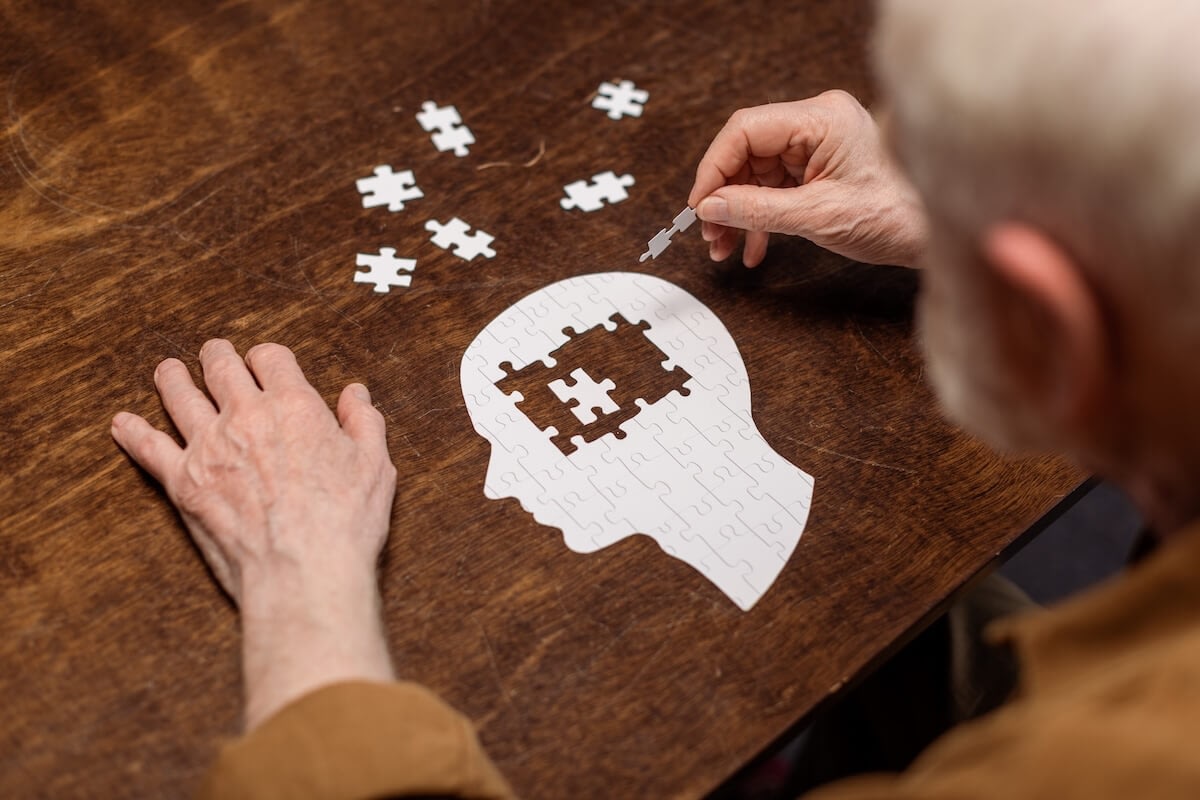
When we hear the word “dementia,” we almost immediately think of memory loss. While memory impairment is a hallmark symptom, dementia is a syndrome that affects the brain in various ways. It’s not just about forgetting the past; it’s about how one interacts with the present.
Dementia can impact communication skills, focus, visual perception, and reasoning. You might notice a loved one struggling to follow a conversation, having trouble judging distances while driving, or experiencing changes in mood and personality. Understanding that dementia encompasses a broad spectrum of cognitive and behavioral changes helps us offer better, more patient support to those navigating these challenges.
There is Nothing You Can Do After a Diagnosis
Perhaps the most heartbreaking of all memory loss myths is the idea that a dementia diagnosis signifies the end of a meaningful life. While there is currently no cure for most types of dementia, there is still so much living to be done.
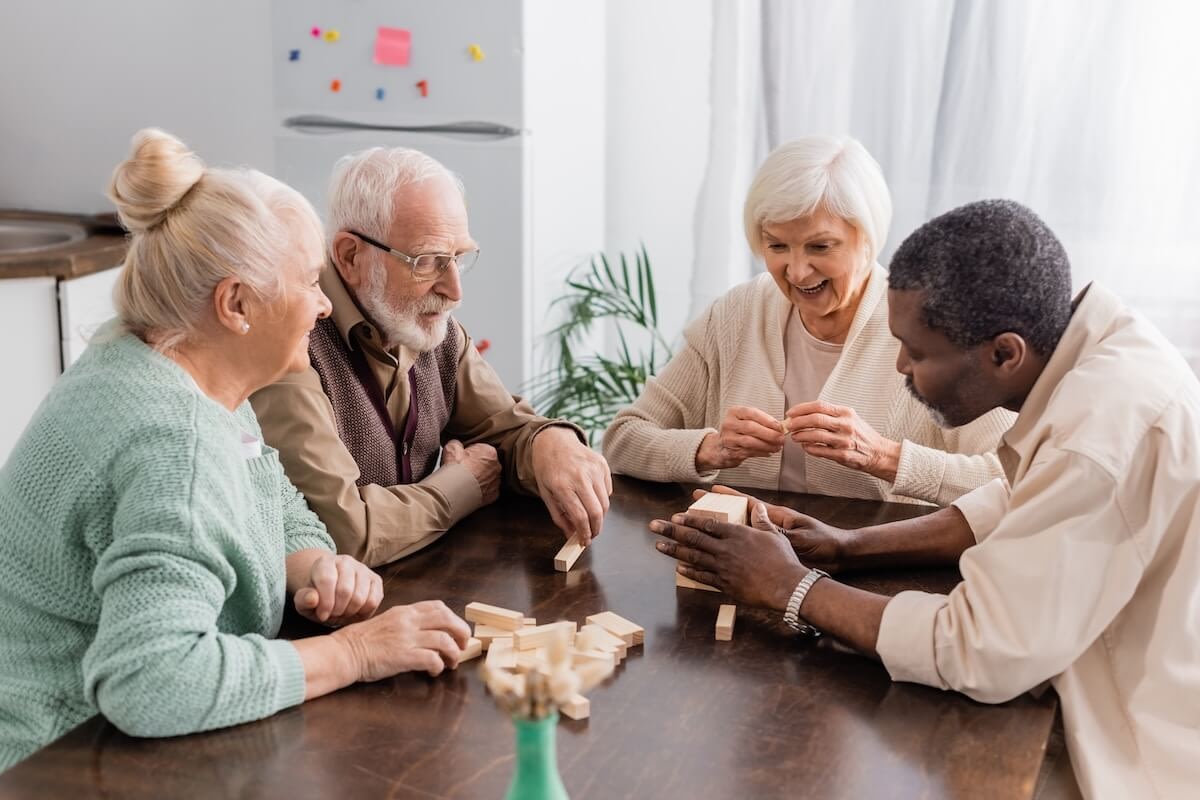
Early diagnosis allows families to access treatments that may manage symptoms and improve quality of life. Furthermore, a supportive environment can make a world of difference. Engagement in hobbies, music therapy, art, and social connection can continue to bring joy and purpose. People living with dementia can still experience deep emotions, connect with others, and find happiness in the moment.
People with Dementia Cannot Live Independently
There is a misconception that a diagnosis requires an immediate move to a clinical setting. In reality, the progression of dementia is gradual. With the right support systems in place, many individuals can maintain their independence for some time.
However, as needs evolve, safety and quality of life become the priority. This doesn’t mean a loss of freedom; rather, it means finding a new environment that supports independence while providing necessary care. This is where memory care communities like Brightwater play a vital role, bridging the gap between safety and autonomy.
Experience the Brightwater Difference
When living at home becomes too difficult, our memory care communities in the United States and Canada offer a sanctuary of support and engagement. At Brightwater Senior Living, our dedicated neighborhoods are designed not just to care for residents, but to celebrate them.
We understand that every individual has a unique story, and our mission is to help them continue writing it. Our amenities and services are thoughtfully crafted to provide comfort and inspiration:
- Person-Centered Care: We take the time to learn each resident’s history, preferences, and routine, tailoring our care to their specific needs.
- Engaging Life Enrichment: From music and art programs to gentle fitness classes, our calendar is filled with opportunities that spark joy and cognitive engagement.
- Safe and Serene Environments: Our communities feature secure, easy-to-navigate spaces that encourage freedom of movement while ensuring safety.
- Nutritious Dining: We provide delicious, brain-healthy meals in a supportive dining environment that encourages social interaction.
Choosing one of Brightwater’s memory care communities means choosing a partner in care who honors your loved one’s dignity and potential.
Let Us Support You
Navigating the journey of memory loss is not something you have to do alone. If you have questions about memory loss myths or want to learn more about how our memory care communities can support your family, we are here to listen and help.
Contact the Brightwater Senior Living team today to schedule a visit and discover a place where compassion and care meet.
Key Takeaways
- Not all forgetfulness is dementia: Distinguish between normal aging and signs of cognitive decline to ensure proper care.
- Lifestyle matters: Healthy habits can support brain health, regardless of your genetic history.
- Dementia is more than memory: Be aware of changes in mood, judgment, and communication.
- Life continues after diagnosis: With the right support, individuals with dementia can live fulfilling, joyful lives.